
2026 WO1
- Miss distance
- 15.19 LD · 3.63 million mi
about 15× farther than the Moon - Estimated size
- ~7–16 m across
from brightness (H=27.8); ballpark only - Speed
- 15,971 mph relative
Section 1
Roster refreshed Nov 21, 2:40 PM CST · ISS Expedition 75
Section 2
Natural Earth 110m land (public domain) · equirectangular · live ISS from wheretheiss.at
NASA Harmony Earth-view. May go dark/blue at night or during signal loss.
Video: NASA · Watch on YouTube · nasa.gov/iss
Section 3
Near-real-time satellite stills — not video. Images refresh about every 12 minutes.

Earth image unavailable — try again shortly.
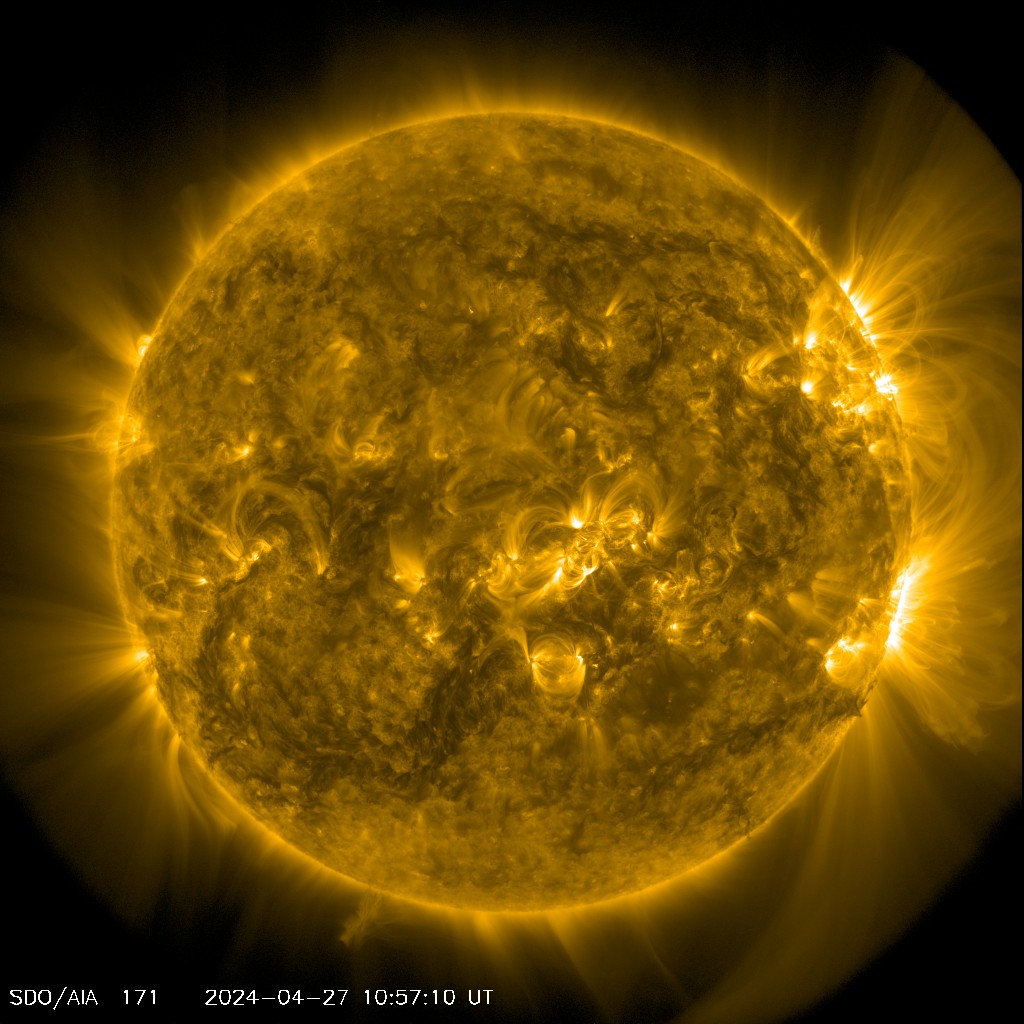
Sun image unavailable — try again shortly.
Section 4
Live count from CelesTrak GP data. Positions propagated in your browser with SGP4 (satellite.js, MIT) — we cache elements for a few hours so we don’t hammer CelesTrak.
Natural Earth land · equirectangular · elements Nov 21, 12:40 PM CST · dense sample · positions update about every 2s
Loading orbital elements…
Section 5
NASA/JPL objects passing within 0.05 AU (~19.5 lunar distances) in the next week. These are not impact predictions — “near” in space is still far.
1 LD ≈ 238,900 miles (average Earth–Moon distance). Closer than the Moon still means hundreds of thousands of miles.
Closest this week: 2026 WA1 on Sat, Nov 21, 4:26 PM CST — 1.24 LD (295,187 mi), about 1.2× farther than the Moon, ~30,558 mph.
LD = lunar distance. Size from absolute magnitude H with albedo 0.05–0.25. Speeds are relative to Earth.